

A traditional shoemaker family
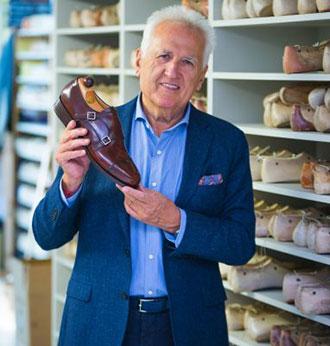
What does Vass Shoes represent? In our opinion, it represents the re-thinking of the traditions in a new world changing faster than ever before.
Already for more than four decades, using exclusively traditional technologies, we are working on making only such shoes to our customers, which transcending the quickly changing fashion trends serve the comfort and satisfaction of the person wearing them.
László Vass, the founder leader of Vass Shoes, founded his enterprise in 1978. By the revival of the rich traditions of the profession, he gave a new impetus to the art of shoemaking in a new age.
Our shoes are made from the finest calfskin, horse leather, and different exotic leathers by careful craft in our Budapest workshop where we prepare our shoes using special shoemaker tools and hundreds of meticulous operations. The handmade, perfectly fitting shoes prepared in the Vass workshop meet the highest quality requirements. In case of circumspect shoe care, careful use of shoe tree and repair in due time, it can serve its wearer for decades.
Traditional methods | Finest materials | Handmade | Hungarian
Vass Shoes manufactures handcrafted footwear exclusively. Starting from the selection of calf, cordovan or exotic skins sourced from the best tanneries to the polishing of already finished shoes, each activity in the production process is performed through the work of careful and attentive craftsmen.
A period of about 6-7 weeks is necessary for us to manufacture custom-made shoes while our main objective is to ensure that the products created in our workshop can serve their owners over many years.
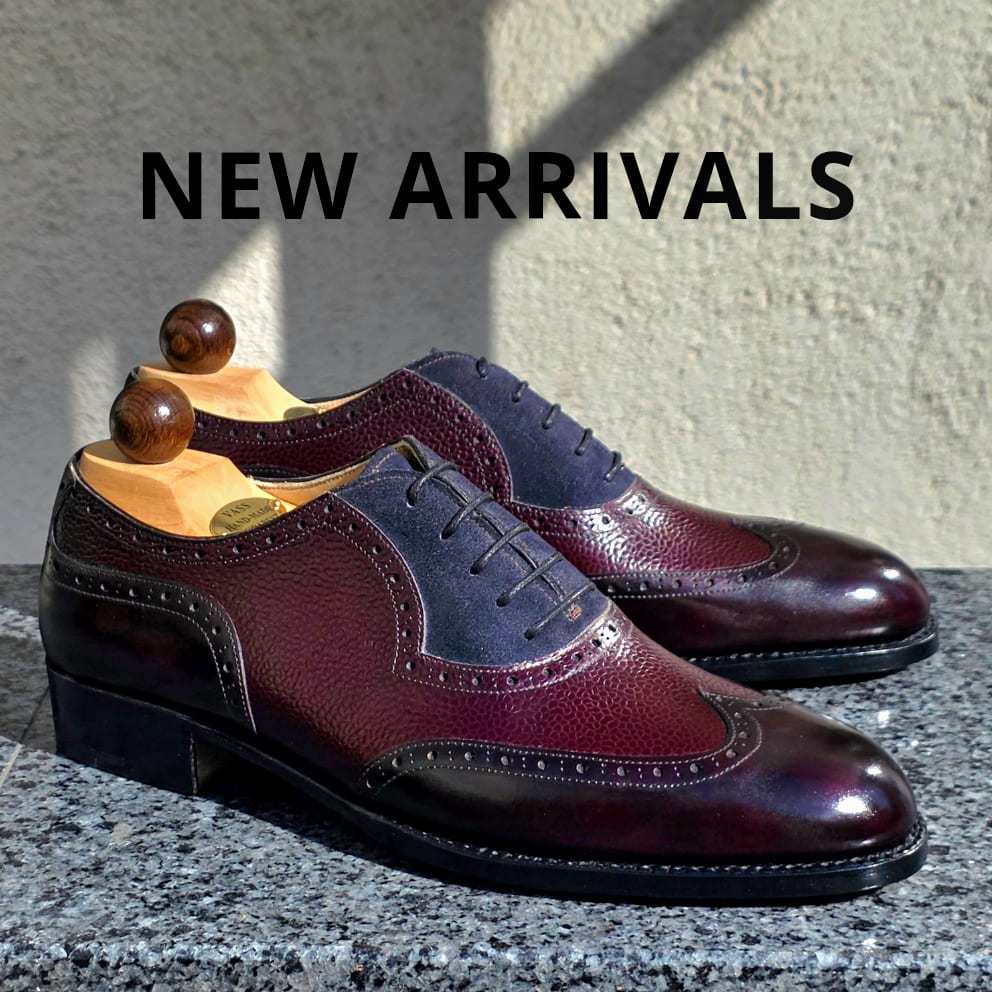
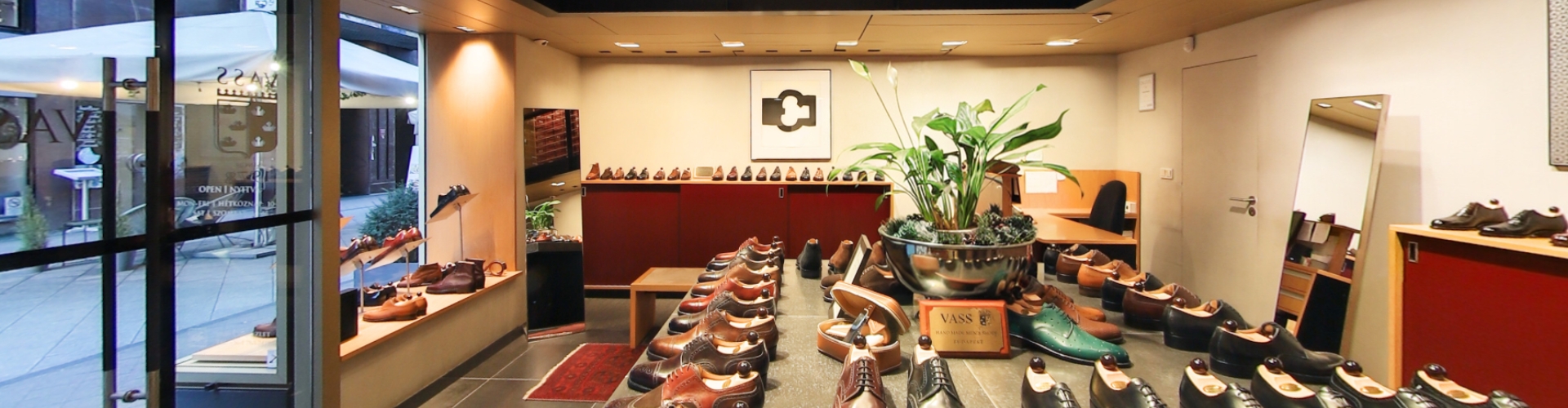
We wholeheartedly recommend to you also our ready-to-wear collection as these pieces of footwear had undergone the same meticulous and careful working processes before they were displayed on the shelves of our shops.
Manual shoe-making has not changed much over the past centuries. The craftsmen of the Vass workshop shape the shoes in their hands in a way that they apply the same operations as their predecessors did several years ago. Even today what shoemakers like most is to work with tools prepared by them and adapted and fitted to their own hands.